Top Construction Innovations That Make Homes Last for Generations

A home is often the most significant investment in a person's life, and for many, it's not just about creating a living space for today but building a legacy for tomorrow. The good news is that modern construction has advanced far beyond traditional brick and mortar. Today, innovative materials and techniques are making homes stronger, more sustainable, and more resilient—built not just for decades, but for generations to come.
Here are some of the top construction innovations shaping the future of long-lasting homes:
1. High-Performance Concrete
Concrete has always been a cornerstone of construction, but today's ultra-high-performance concrete (UHPC) takes durability to the next level.
- Stronger and more crack-resistant than traditional concrete.
- Withstands harsh weather conditions and heavy loads.
- Extends the lifespan of structural elements like foundations, beams, and slabs.
This ensures homes remain structurally sound for decades with minimal repairs.
2. Cross-Laminated Timber (CLT)
Wood has been used for centuries, but engineered wood products like CLT are revolutionizing construction.
- Made by layering timber boards in alternating directions for extreme strength.
- Resistant to warping, shrinking, or splitting.
- Lightweight yet as durable as concrete or steel.
Beyond durability, CLT is sustainable, reducing a home's carbon footprint while adding natural warmth to interiors.
3. Advanced Roofing Systems
A home's roof is its first defence against the elements, and modern innovations make it last longer.
- Cool roof tiles reflect sunlight and reduce heat absorption.
- Metal roofing with protective coatings can last 50+ years.
- Green roofs (with vegetation) add insulation while improving stormwater management.
Strong, energy-efficient roofs extend a home's lifespan while keeping it comfortable.
4. Self-Healing Materials
One of the most exciting advancements in construction is the use of self-healing concrete and coatings.
- Special bacteria or chemical agents embedded in the material activate when cracks appear.
- They fill gaps automatically, preventing water seepage and structural damage.
This innovation reduces long-term maintenance and increases the durability of key structures.
5. Smart Waterproofing and Damp-Proofing
Moisture is one of the biggest enemies of homes, often leading to cracks, mold, and weakened foundations.
- Liquid-applied membranes form seamless, durable barriers against water.
- Breathable sealants keep moisture out while allowing trapped air to escape.
These methods ensure homes remain strong and healthy for generations.
6. Energy-Efficient Windows and Insulation
Beyond strength, a lasting home should also be energy-efficient.
- Double and triple-glazed windows reduce heat transfer, keeping interiors comfortable.
- Spray foam insulation fills even the smallest gaps, protecting against temperature swings and moisture.
These upgrades reduce wear and tear on the structure while lowering energy bills over the long term.
7. Modular and Prefabricated Construction
Modern construction methods like modular homes are built in controlled environments and then assembled on-site.
- Ensures precision and high-quality control.
- Minimizes structural flaws caused by inconsistent weather during building.
- Components are often designed to be repairable or upgradable, extending the building's life cycle.
Homes built this way are faster to construct, eco-friendly, and incredibly durable.
8. Steel Reinforcement and Composite Materials
Traditional reinforced concrete is now being enhanced with fiber-reinforced polymers (FRP) and advanced steel reinforcements.
- Adds flexibility and strength to structures.
- Prevents corrosion and damage over time.
- Ensures stability even in earthquake-prone regions.
This innovation gives homes long-term resilience against natural forces.
9. Smart Home Monitoring for Maintenance
Longevity isn't just about construction—it's about monitoring and care. Today, homes can be equipped with sensors that:
- Detect moisture leaks early.
- Track energy efficiency.
- Monitor structural integrity and air quality.
Proactive alerts allow homeowners to fix small issues before they become costly, extending the home's usable life.
Conclusion
Homes of the future are designed not only to provide shelter but to stand the test of time. With innovations like self-healing materials, CLT, advanced roofing, and modular construction, today's homes are stronger, smarter, and more sustainable than ever before.
By combining durability, efficiency, and technology, these construction breakthroughs ensure that homes are not just for us—but for generations to come.
Up Next
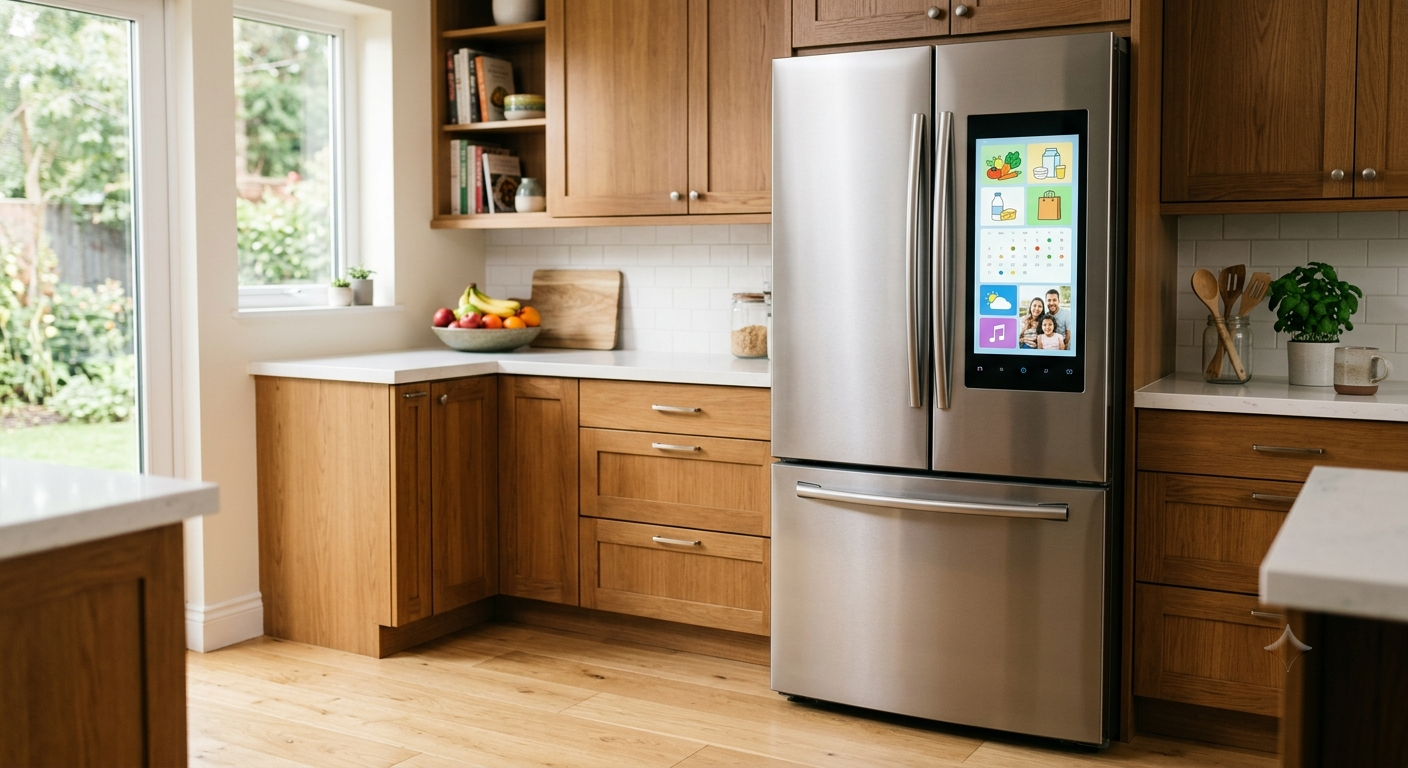
The Evolution of Refrigerators: From Cooling to Intelligent Food Management
The refrigerator has long been one of the most essential appliances in the modern home. From preserving fresh produce to storing leftovers and everyday essentials, it plays a central role in daily life. Yet the refrigerator of today is vastly different from the one that existed even a decade ago.
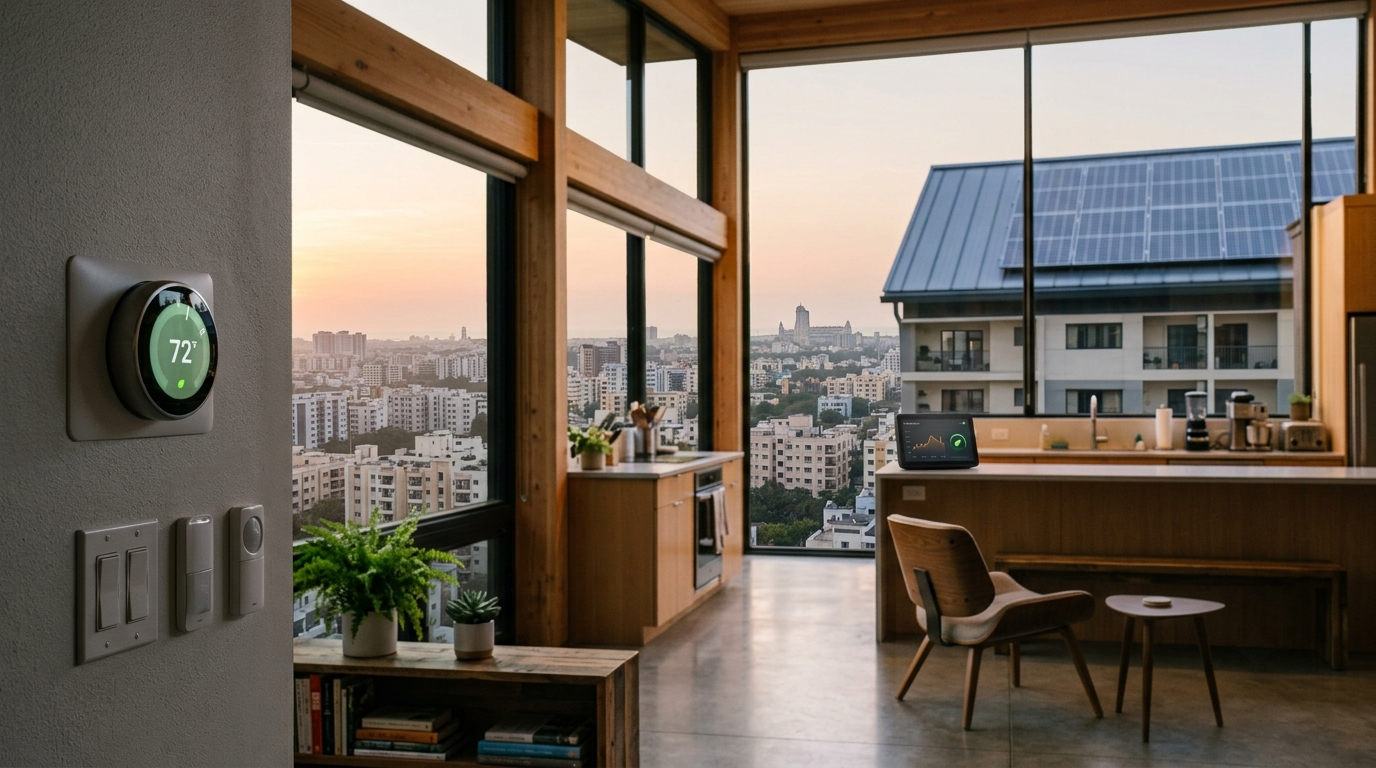
How AI Is Making Smart Homes More Energy Efficient
Smart homes have come a long way from voice-controlled lights and app-based appliances. Today, artificial intelligence is transforming the way homes function by making them more responsive, efficient and sustainable. As homeowners become increasingly conscious of energy consumption, AI is helping create living spaces that not only offer convenience but also reduce waste and optimize resource usage.